

Madagascar: What’s the takeaway from COP 26?
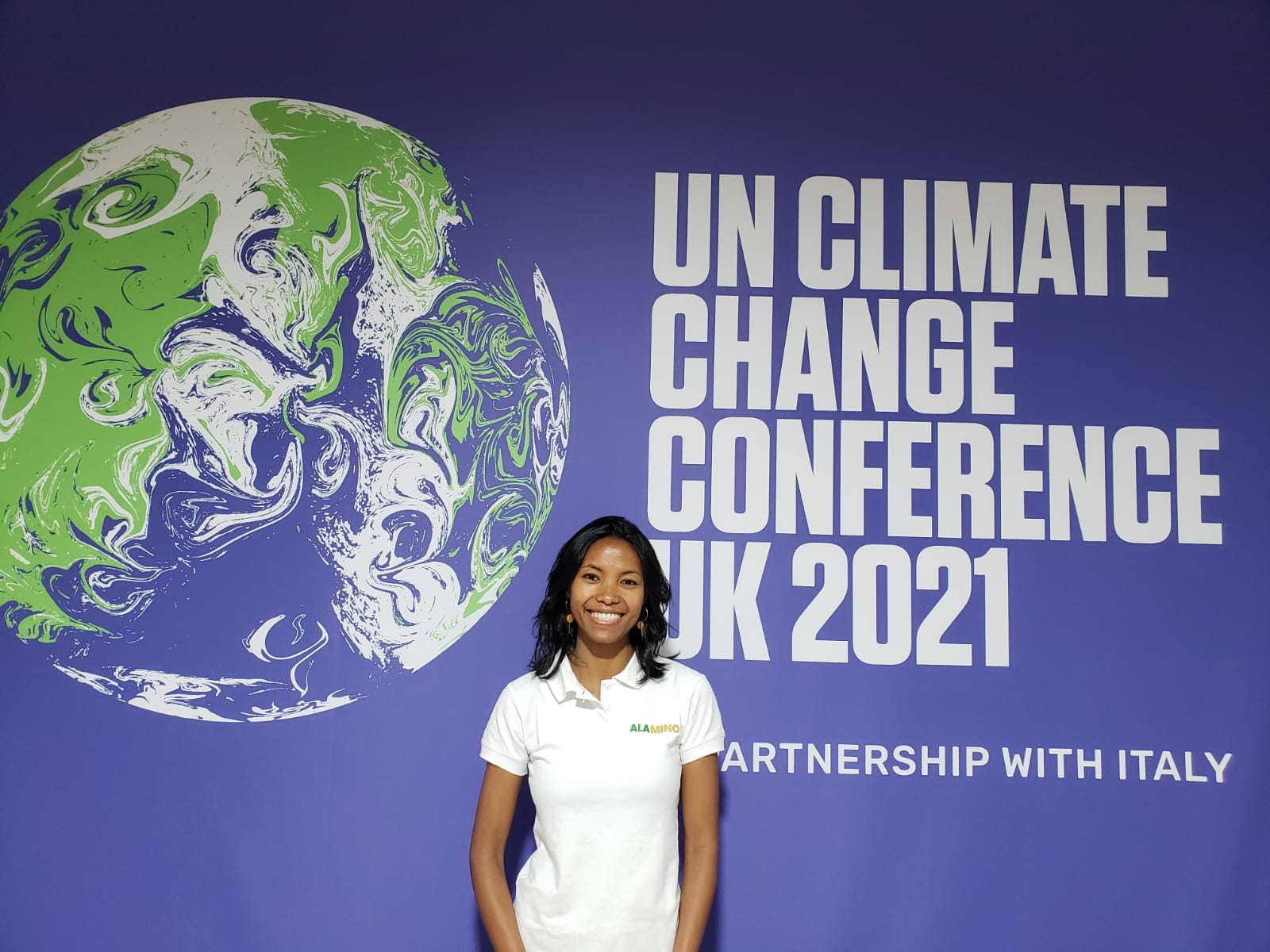
Madagascar is the 4th most threatened country by climate change. To face this immense challenge, we must act at the national level, but also push other countries to show solidarity. That was the key issue for the Malagasy delegation at COP 26 in Glasgow last November.
Vatosoa Rakotondrazafy, National Coordinator for Land and Marine Landscapes within the Malagasy think tank INDRI, was part of this delegation. She shares with us her view on these negotiations, the disappointments but also the hopes they raise.
It was your first time taking part in a COP — what was your first impression upon arrival?
It was very intense! There were so many people and the logistics were complicated by the Covid-related health measures. You could see diplomats, government representatives, NGOs and businesses from around the world running in every direction to attend the various events taking place in parallel. There are constantly things to see, do, and hear — it never stops. It was a unique opportunity for me to represent my country, to make inspiring connections, and to find interesting opportunities for Madagascar.
What struck you the most during your stay in Glasgow?
When I looked around, I mostly saw representatives from developed countries that contribute most heavily to climate change. I expected to see more representatives from southern countries, which are the most affected and threatened.
A study by the NGO Global Witness revealed that 503 fossil fuel lobbyists were accredited at COP26. That’s more than the combined delegations of the eight countries most affected by climate change! I would really like to see communities from southern countries better represented.
You have extensive experience with local communities. How can their voices be heard?
Since 2015, I have worked to amplify the voice of small fishing communities through my involvement with the MIHARI network — first as national coordinator for 6 years, then as Chair of the Board since 2020. The issue of local communities is one I am passionate about, and I think it is essential that their concerns can be heard at international events such as COPs.
In interviews with international media, the Minister of the Environment and Sustainable Development was able to convey the voice of Malagasy rural communities. She recalled their concerns and the vital need for Madagascar to be supported by the international community in facing these major challenges.
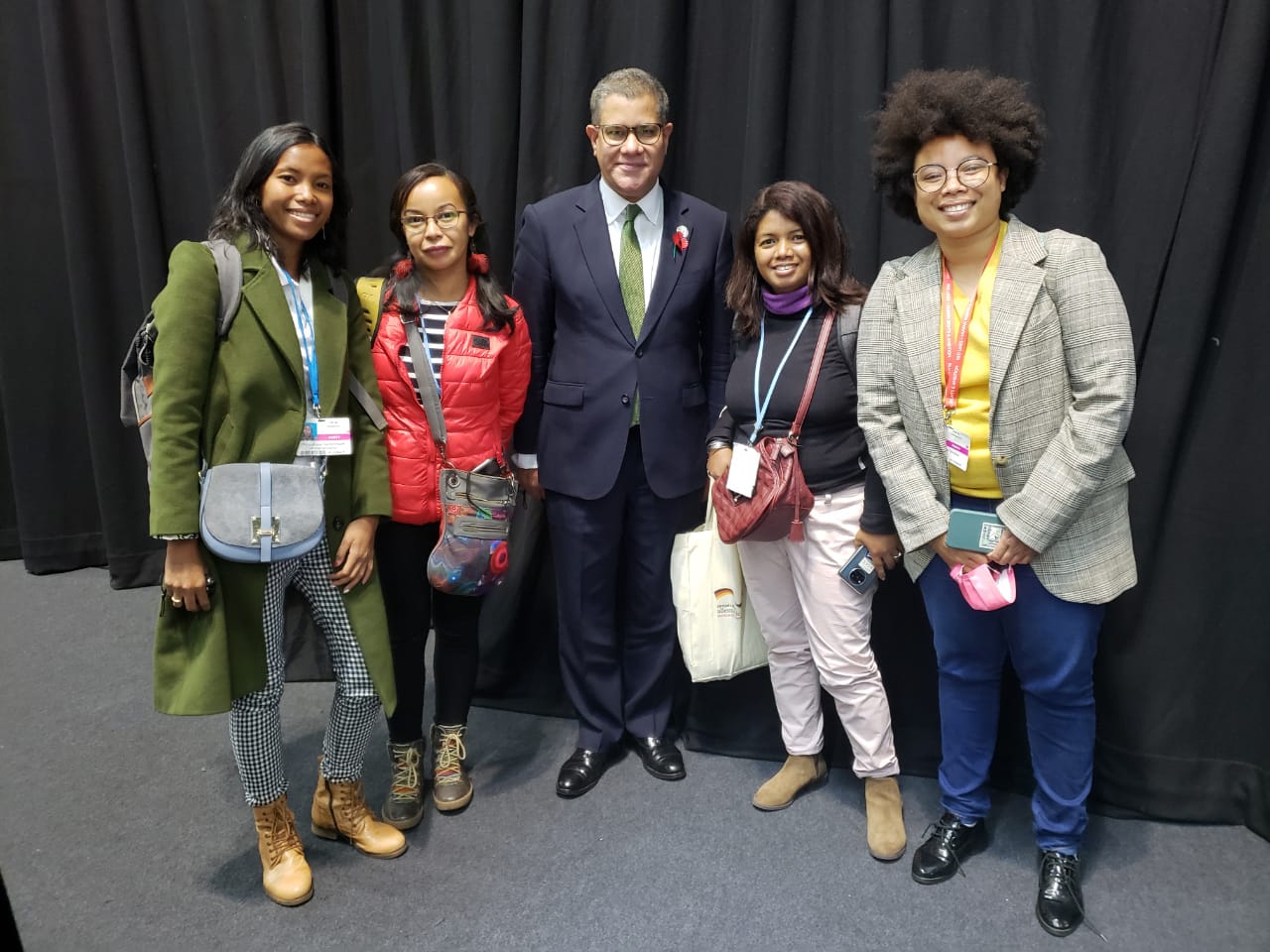
Vatosoa with Sarobidy Rakotonarivo and Marie Christina Kolo alongside the COP 26 President, Mr Alok Sharma
Researcher Sarobidy Rakotonarivo facilitated a discussion on the relationship between local communities and the forest, and also presented a film on this subject. The session was really interesting: how can we better mobilize climate financing such as REDD+ to succeed in conserving our forests hand in hand with communities? These are questions that drive me as coordinator of the Alamino initiative.
For her part, activist Marie Christina Kolo championed the cause of Malagasy women from the communities. The President of COP 26, Mr Alok Sharma, even opened one of his speeches by referencing the discussions Marie Christina led with women leaders from Androy two weeks before COP.
I think these positions are heading in the right direction. I would like us to continue this trend to better include and give visibility to our local communities on the international stage. Why not include a larger proportion of representatives from local communities in the Malagasy delegation at the next COP?
How was Madagascar perceived on-site by the other actors?
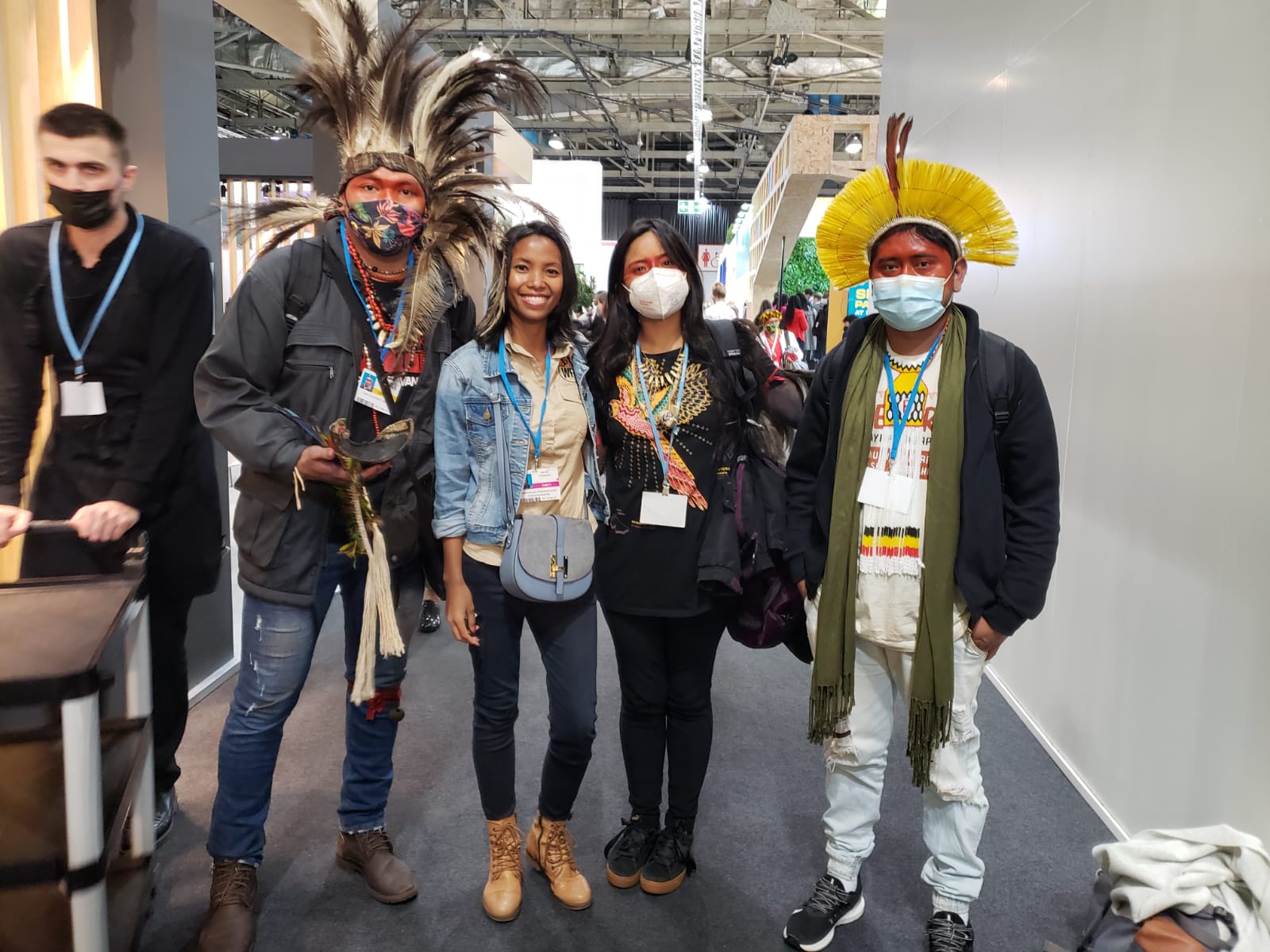
When I said I came from Madagascar, people would each time talk to me about the famine in the south. This year, the kere was very visible in international news, and Madagascar is perceived as a severe victim of climate change. Honestly, it’s hard to hear that my country is recognized for famine. But on the other hand, it is also important that the international community fully grasps the consequences of climate change in Madagascar and that it shows solidarity.
To turn this awareness into support and action, we cannot remain in the posture of a victim. We must show our capacity to bounce back, to propose concrete plans, and to specify what kind of support we need. On this front, we still have a lot of work to do. I hope that by the next COP we will be able to have a deeper national dialogue with all stakeholders to propose strong, convincing solutions.
Were there any elements that gave you hope?
Of course! One of the things that struck me most was the strong focus placed on forests this year. It was an opportunity to see many positive initiatives, notably in Colombia and Indonesia. I find this an interesting source of inspiration for Madagascar and for the Alamino initiative, of which I am the coordinator. Alamino brings together the diversity of Malagasy actors to succeed in the country’s regreening. This COP was teeming with initiatives we can learn from, and opportunities to seize for Madagascar’s regreening!
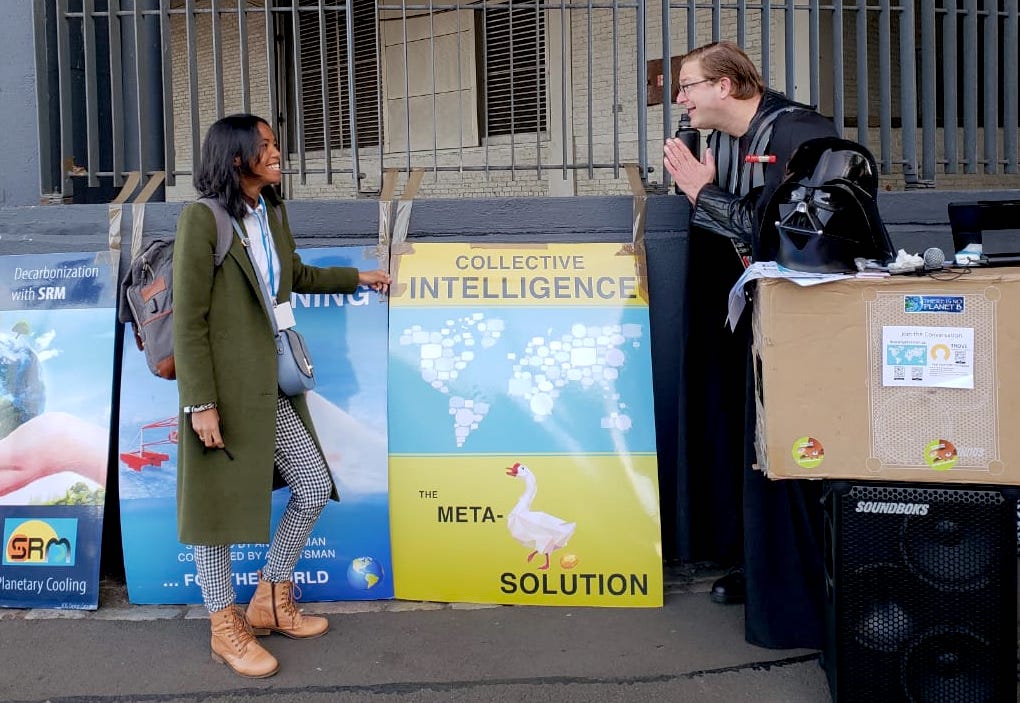
Another element that particularly interested me — since it is at the heart of our mission at INDRI — is collective intelligence. On the sidelines of the negotiations, a number of stakeholders are recognizing an obvious need to renew the modes of collective reflection on climate issues. At COP, I saw a few organizations propose innovative methods of exchange to better mobilize collective intelligence. It is very encouraging to find that the methods that inspire us and that we are trying to put in place with INDRI in Madagascar are also being successfully applied elsewhere in the world.
One of the events of this COP 26 was the signing by more than 100 countries of an agreement to halt deforestation by 2030. Madagascar is among the signatories — what does this imply for the country?
It is not the first international commitment that Madagascar has signed regarding the fight against deforestation or reforestation. The country has, for example, already committed to restoring 4 million hectares by 2030 as part of the AFR 100 programme.These agreements are only the beginning of the work we must do, but I believe we can see them as sources of opportunity. Under this agreement signed at COP by Madagascar, twelve countries pledged to jointly mobilize $12 billion in public funding between 2021 and 2025, to which $7.2 billion of private investment should be added.
If we can present a convincing national plan to achieve the restoration and reforestation objectives, this can attract significant investment for the development of the country. It is a strategic opportunity for Madagascar to clarify the national regreening objective set out by the President of the Republic.
COP 26 ended on November 12 — what are the next steps for Madagascar?
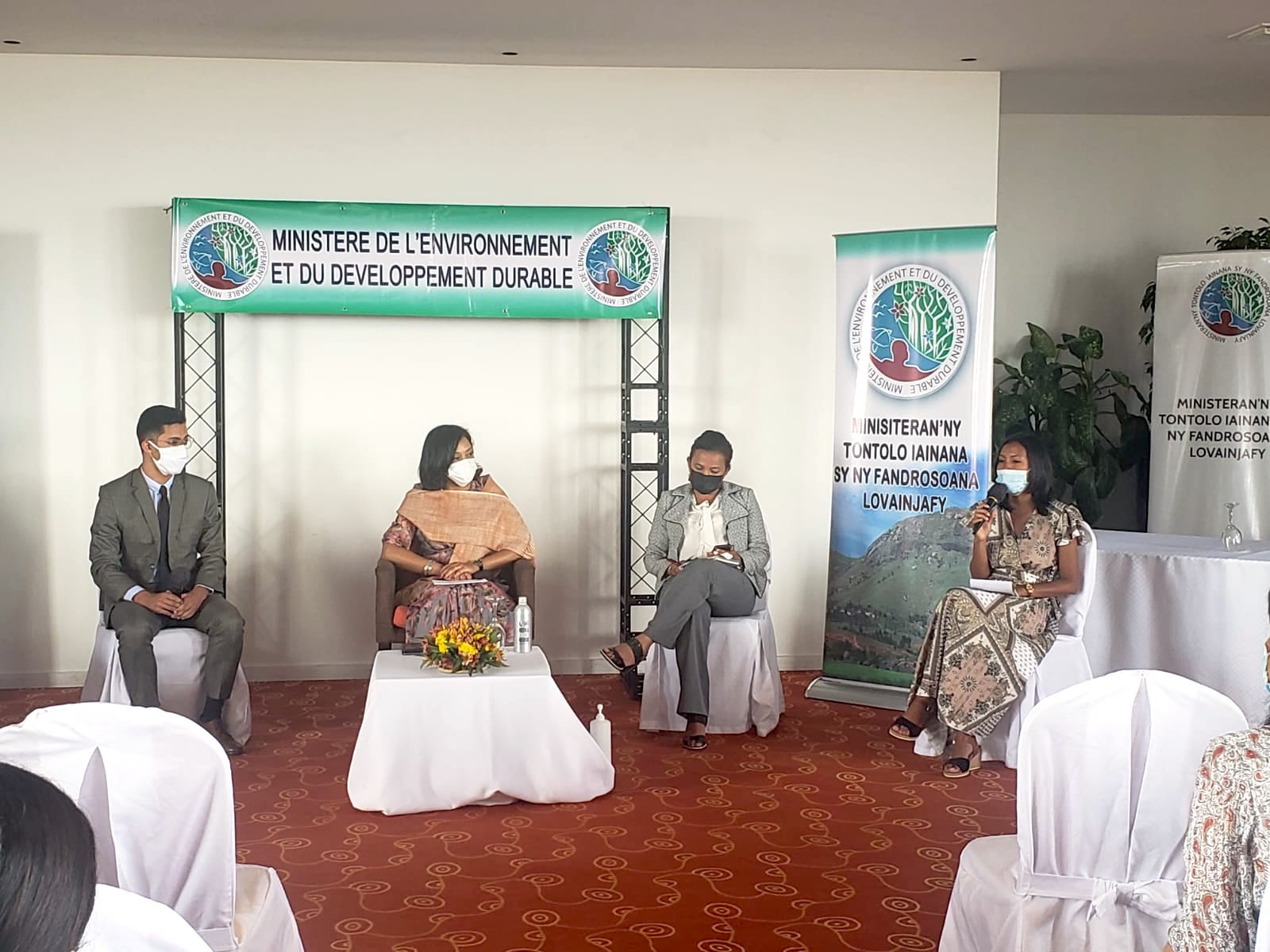
Each year, COP only involves a handful of people in Madagascar, but the situation and the issues are often unclear for the majority of stakeholders who did not attend. There is significant work to be done in sharing and opening up the reflection to all interested parties. I find it very positive that this dynamic was launched by the Ministry of the Environment and Sustainable Development on November 30, on the occasion of an exchange between members of the Malagasy delegation to COP and a wide diversity of stakeholders. It is also INDRI’s mission to bring together the different organizations to better reflect and act together. We fully intend to contribute to this alongside the authorities.
This work of collective reflection is necessary to meet the restoration and anti-deforestation commitments made at COP. As we have discussed, there are great opportunities to seize. We must show in the coming months that Madagascar is capable of meeting these challenges.