

In the Anosy region, an innovative partnership between Tropical Biodiversity & Social Enterprise (TBSE) and Ecosia is showing the way. Their project: planting 4 million native trees and restoring the forest, then managing it with local communities over a 24-year period.
TBSE is a Fort-Dauphin-based company with strong expertise in forest landscape restoration. Support from Ecosia now enables them to apply their know-how at scale. Their goal: preserve what remains of the magnificent natural forest of Ambatotsirongorongo, and recreate the missing parts through massive planting of native species.
Jean-Baptiste Ramanamanjato, Manager of TBSE, presents this ambitious project that could serve as a model for other forest restoration initiatives.
Discover all the details of this inspiring project through this in-depth interview. Enjoy the read!
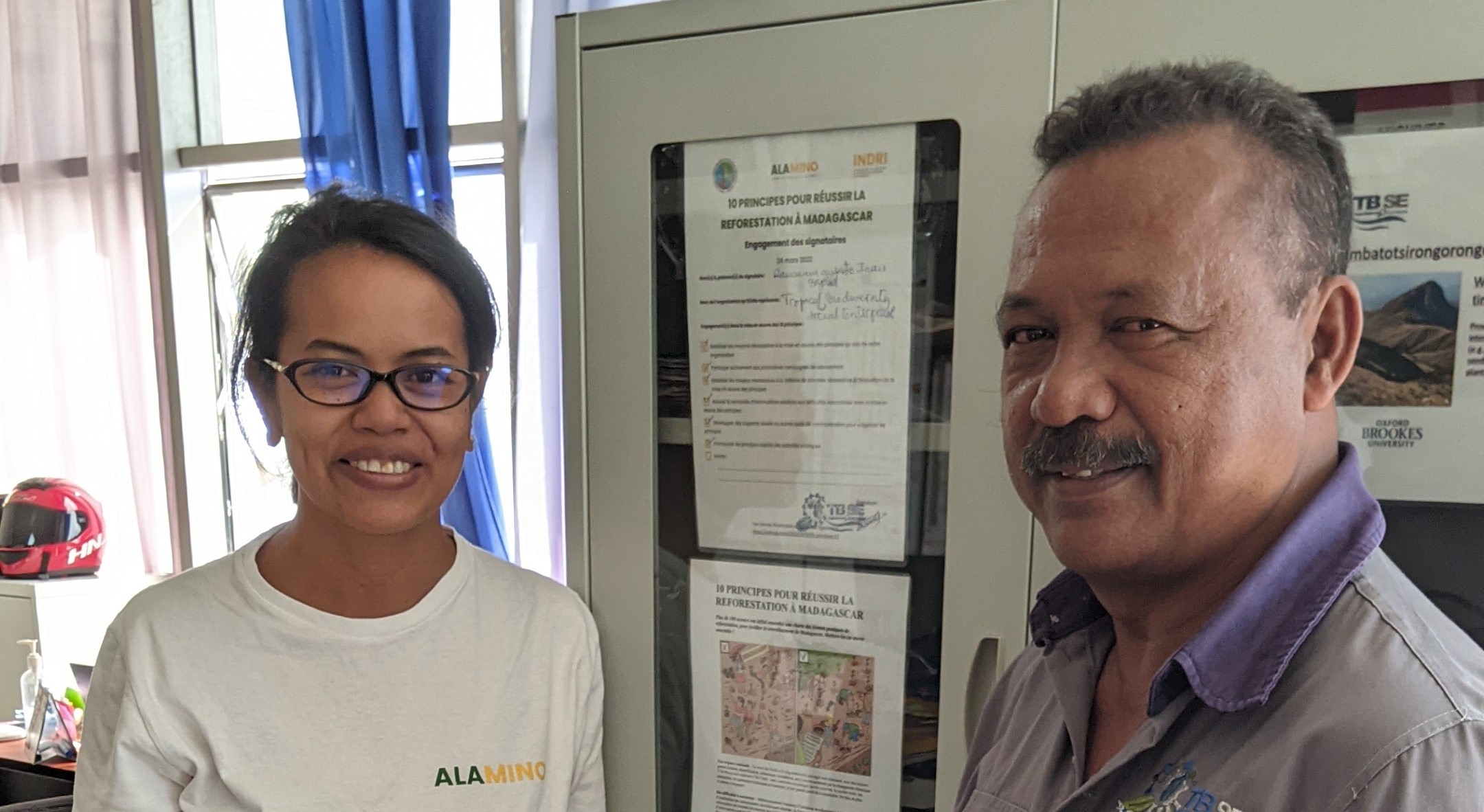
The INDRI team travelled to Ambatotsirongorongo to learn more about this hopeful project. Linjasoa Rakotomalala, Head of Terrestrial Landscapes and Forests, then interviewed Jean-Baptiste Ramanamanjato, manager of Tropical Biodiversity & Social Enterprise (TBSE), in their Fort-Dauphin office. She was pleased to see that the “Ten Principles for Successful Reforestation in Madagascar” produced by the Alamino initiative were displayed in the office.
What are the main activities of TBSE?
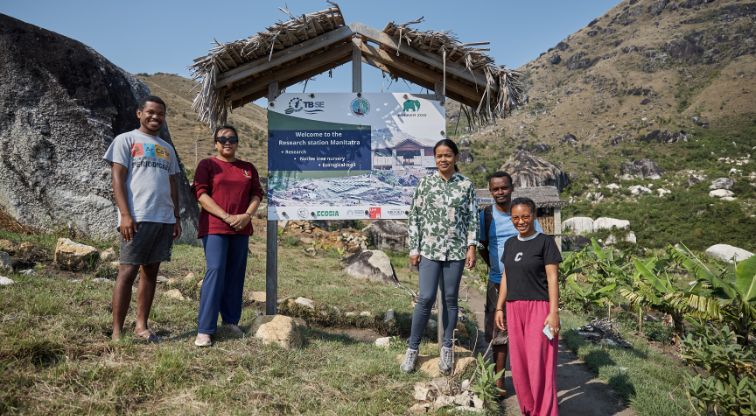
Tropical Biodiversity and Social Enterprise is a company specializing in environmental management and biodiversity preservation. It focuses on managing the ecological impacts of investments, restoring degraded ecosystems, and conserving Madagascar’s endemic and threatened species. The company began work to protect the forest of Ambatotsirongorongo, near Fort-Dauphin, in 2017.
You are working on a major ecological restoration with Ecosia. Tell us about it.
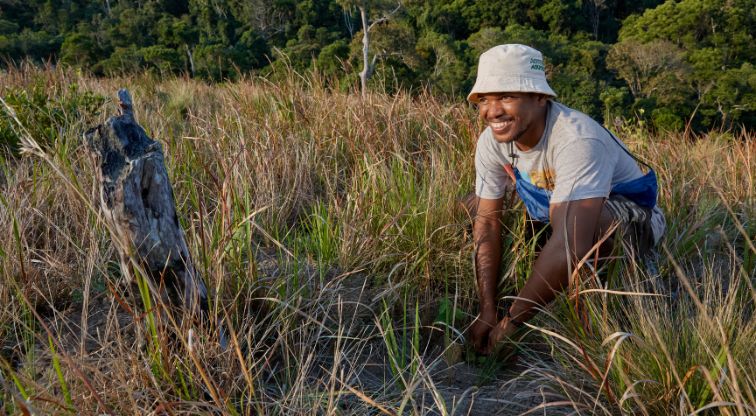
Ecosia is an engaged search engine that uses 100% of its advertising revenue to fund climate actions around the world, primarily reforestation. These initiatives go beyond simply planting trees: they aim to restore entire forests, improve biodiversity, and create jobs for local communities.
TBSE and Ecosia are working together to restore the Ambatotsirongorongo forest by linking the different fragments through active restoration (replanting forest over 300 ha) and passive restoration (helping the forest grow back naturally over 500 ha). The project includes the planting of 4 million native trees. It runs over a 24-year period (2021-2045).
Which plant species do you favour?
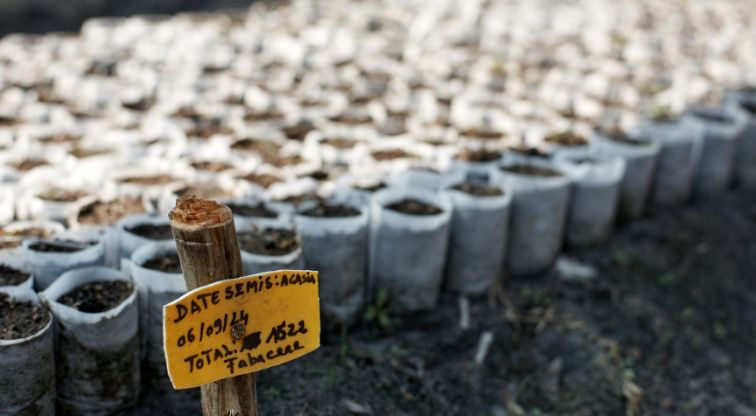
The 1,361,000 seedlings grown each year are mostly local species, such as voalava (Ophiocolea delphnensis), Madagascar dragon tree (Dracaena bakeri), hazombaroa (Asteropeia micraster), triangle palm (Dypsis decaryi) and hintsy (Intsia bijuga). However, we also grow a small quantity of non-native species that are well adapted to the driest areas, such as the acacia (Acacia leptocarpus).
Our nurseries also play an important role in supporting income-generating activities (IGAs) for local communities, particularly through the production of fruit trees (oranges, lychees, bananas).
Did you encounter difficulties planting native species?
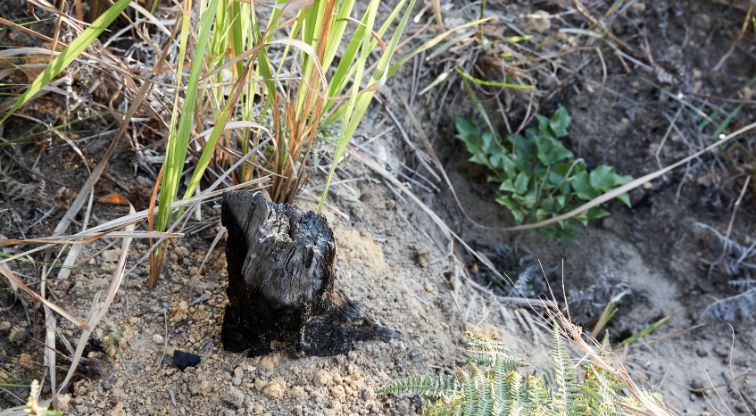
At the start, the first plantings suffered from difficult climatic conditions, resulting in low survival rates. However, pioneer and heliophilic species such as the copal tree (Hymenaea verrucosa), dinga dingana (Psiadia altissima), ambora (Tambourissa purpurea) and bois de reinette (Dodonea viscosa), better adapted to aridity, showed a higher survival rate.
In 2023, after two years of the project, TBSE adjusted its strategy by focusing on a dozen of these species, gradually stabilizing the forest. However, in the long term, there is a risk of monospecificity, which would reduce biodiversity. To address this, TBSE plans to reintroduce the sensitive species initially lost, once the ecosystem is more resilient.
Your site is home to species found nowhere else in the world. Do you take their protection into account?
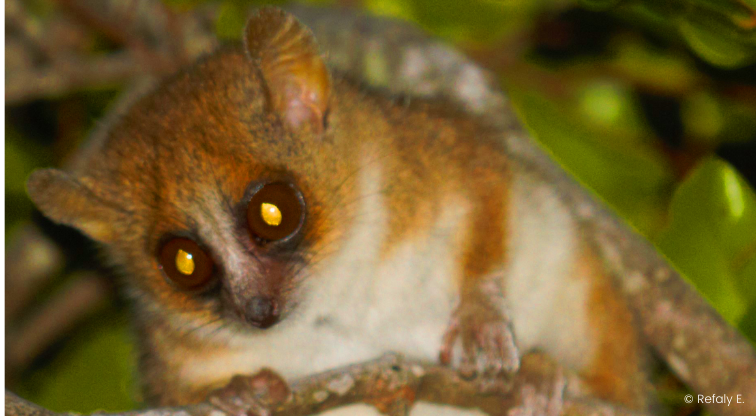
Of course! The project emphasizes the protection of critical habitats for biodiversity, which includes species conservation, particularly lemurs, which depend on this forest for food and habitat. This region has a unique combination of moist and dry forests with an endemism rate close to 93%, and is home to nine lemur species, some of which are critically endangered, such as the mouse lemur (Microcebus manitatra).
We aim to preserve their fragile habitat, which also includes other endangered species such as the maki (Lemur catta) and the collared brown lemur (Eulemur collaris). However, slash-and-burn agriculture, charcoal production, and bush fires remain major threats.
Speaking of which, what can be done to prevent and manage fires?
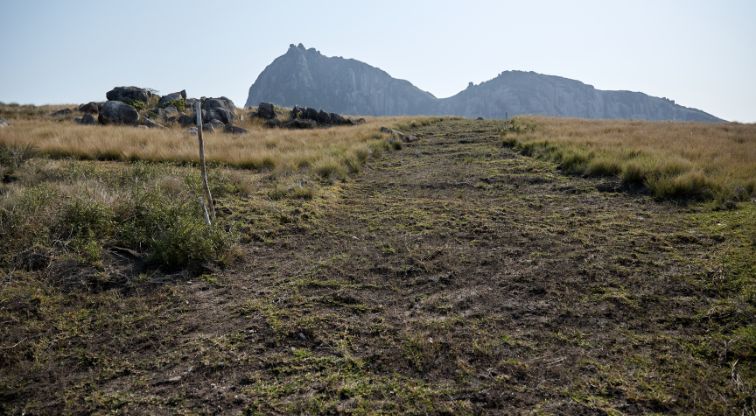
TBSE conducts awareness-raising activities with local communities and sets up appropriate protection systems around restoration zones. Rather than using simple bare firebreaks, TBSE adopts a more comprehensive approach by structuring the firebreaks strategically.
A 5-metre-wide bare strip running 25 km long surrounds the forest block to stop the fire front. This first zone is followed by a vegetated strip, made up notably of acacias and albizia, which absorb moisture and slow the progress of the flames thanks to their ability to reduce fire intensity. On the periphery, an area dedicated to local agriculture serves as an additional barrier and a buffer zone.
By integrating vegetated strips into the system, TBSE has succeeded in significantly reducing fire spread, thereby limiting risks to restored areas and reinforcing the safety of the plantations.
And how do you involve local communities in your reforestation projects?
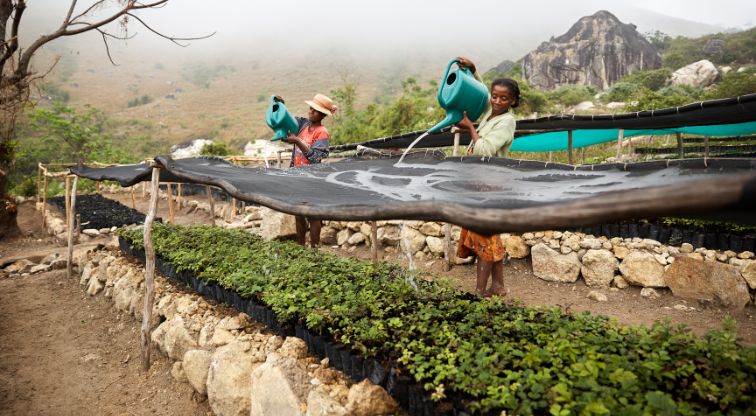
We work with 14 partner local communities (VOI), and support them through income-generating activities.
Members of the VOIs are now more aware of environmental issues and actively participate in fire-fighting efforts. They understand that fires threaten water sources, jeopardizing the irrigation of rice paddies located downstream. Faced with the frequency of accidental fires, the community is organized to extinguish them quickly, often in less than four hours, using appropriate materials and infrastructure such as fire beaters, water tanks, and water points strategically placed around at-risk areas.
We noticed the “10 Principles” in your office. Do you apply them in this project?
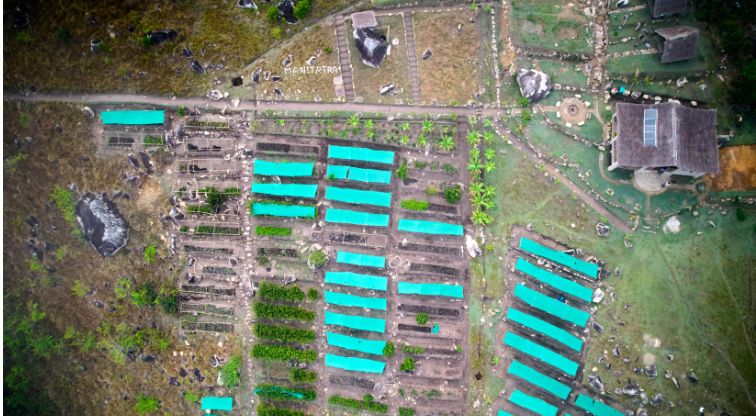
Yes, we follow the 10 Principles for Successful Reforestation in Madagascar, with an emphasis on a long-term vision for our reforestation project. For example, nurseries have been strategically located near forests and infrastructure (such as field stations) to facilitate access and monitoring. In addition, local communities in Fort-Dauphin are closely involved at every stage: from preparing the nurseries and transporting young plants to watering, monitoring plantations, and managing fires.
To conclude, what are the long-term prospects and ambitions of your project?
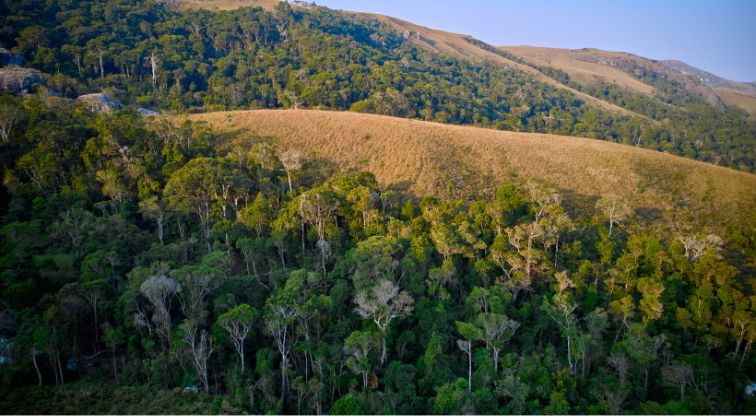
TBSE’s ambition is to unite the existing forest patches into a single block, creating a continuous space that is more resilient to external threats. The project aims to restore the ecosystem while integrating the needs of local populations, for sustainable regional development. We also hope to encourage other actors in Madagascar. In the face of these challenges, there is only one solution: roll up our sleeves.
To learn more about the projects of TBSE and Ecosia and access their websites, simply click on the logos below.