

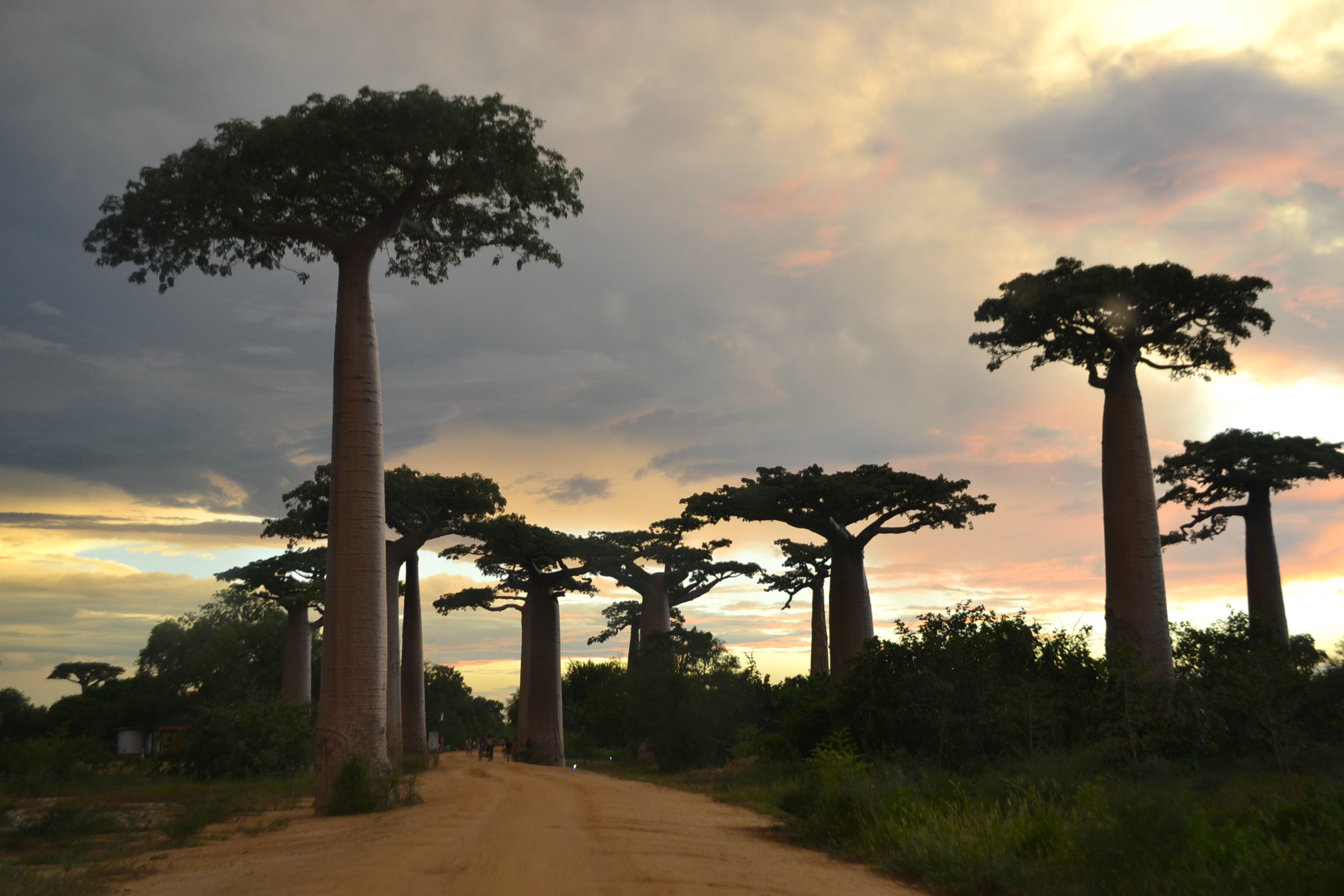
The dry forest of Menabe is a true national treasure. It is home to many emblematic species ranging from the great baobabs to the smallest primate in the world.
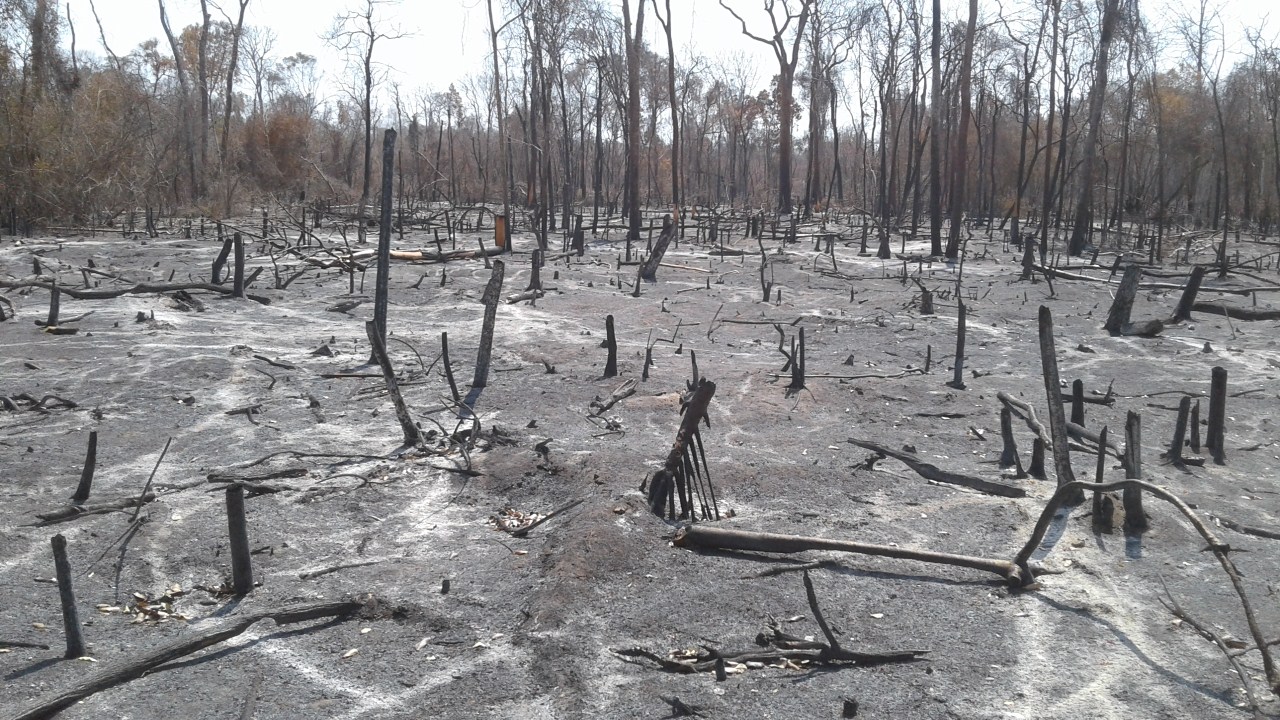
Over 20 years, this forest has been reduced by half. In 2020 alone, an area equivalent to 18,200 football fields was destroyed. At this rate, it is estimated that within 4 years it will have completely disappeared. The stakes are considerable: in addition to being an ecological catastrophe, the destruction of this forest would be a human disaster for all the communities that depend on it.
INDRI is fortunate to have on its team a specialist in agronomic and environmental sciences for the Menabe region: Dr Linjasoa Rakotomalala. We give her the floor today so she can shed light on the underlying causes of deforestation in this area, and the possible solutions to stop it.
Linjasoa, what is your background and where does your expertise on Menabe come from?
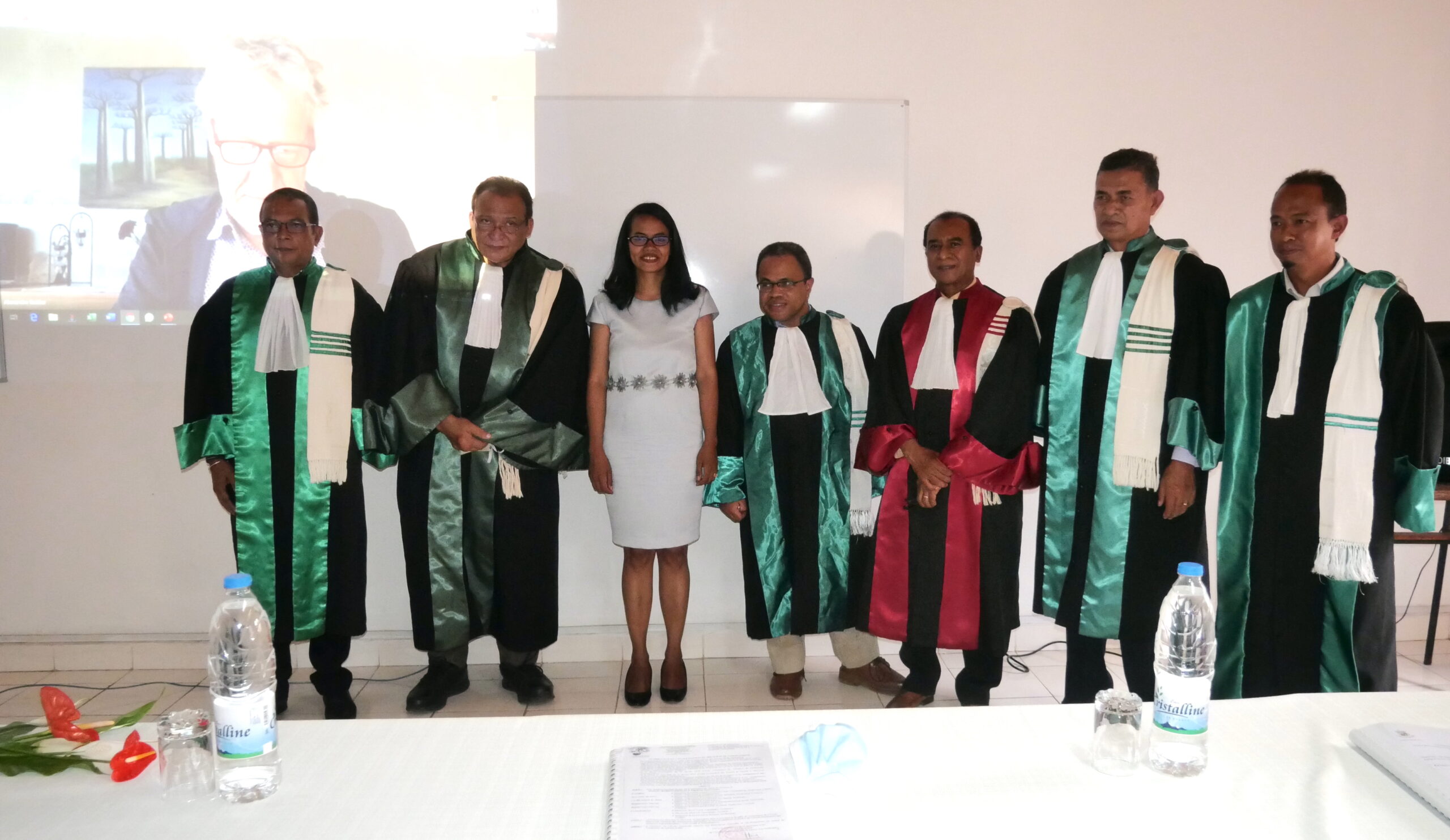
I hold a doctorate in agronomic and environmental sciences, and I am an agricultural engineer specialized in water and forests. It was through my doctoral thesis that I was able to carry out in-depth research over four years on the situation in Menabe, and more specifically on “the explanatory factors of slash-and-burn agriculture” in this area.
What drove you to take a specific interest in Menabe?
In 2007, before my thesis, I had already had the opportunity to do research on the Menabe-Antimena area for my engineering degree.
The first time I went into the field, I was immediately captivated by this dry forest which is home to so many unique species, such as the smallest primate in the world (Microcebus berthae), the incredible giant jumping rat, or these immense baobabs that are among the symbols of our country. I felt how much this forest is a national treasure — and even a global one — since many species are only found there.
At that time, we could already see that the Menabe ecosystem was fragile, and that it was threatened by the practice of slash-and-burn agriculture which was increasingly encroaching on the forest.
When you returned to Menabe for your doctorate, 7 years after this first visit, how had things evolved?
When the opportunity arose in 2014 to conduct research in the same area, I was very enthusiastic to return — to find this beautiful forest again and try to contribute to protecting it.
But arriving on the ground, sadness overwhelmed me when I saw the burned surfaces. The forest that lay to the left of the road towards Belo sur Tsiribihina was nothing more than a curtain of trees hiding cultivated fields behind. Sadly, things have continued to worsen over recent years, despite the efforts of the organizations working there.
What are the causes of this destruction of the forest?
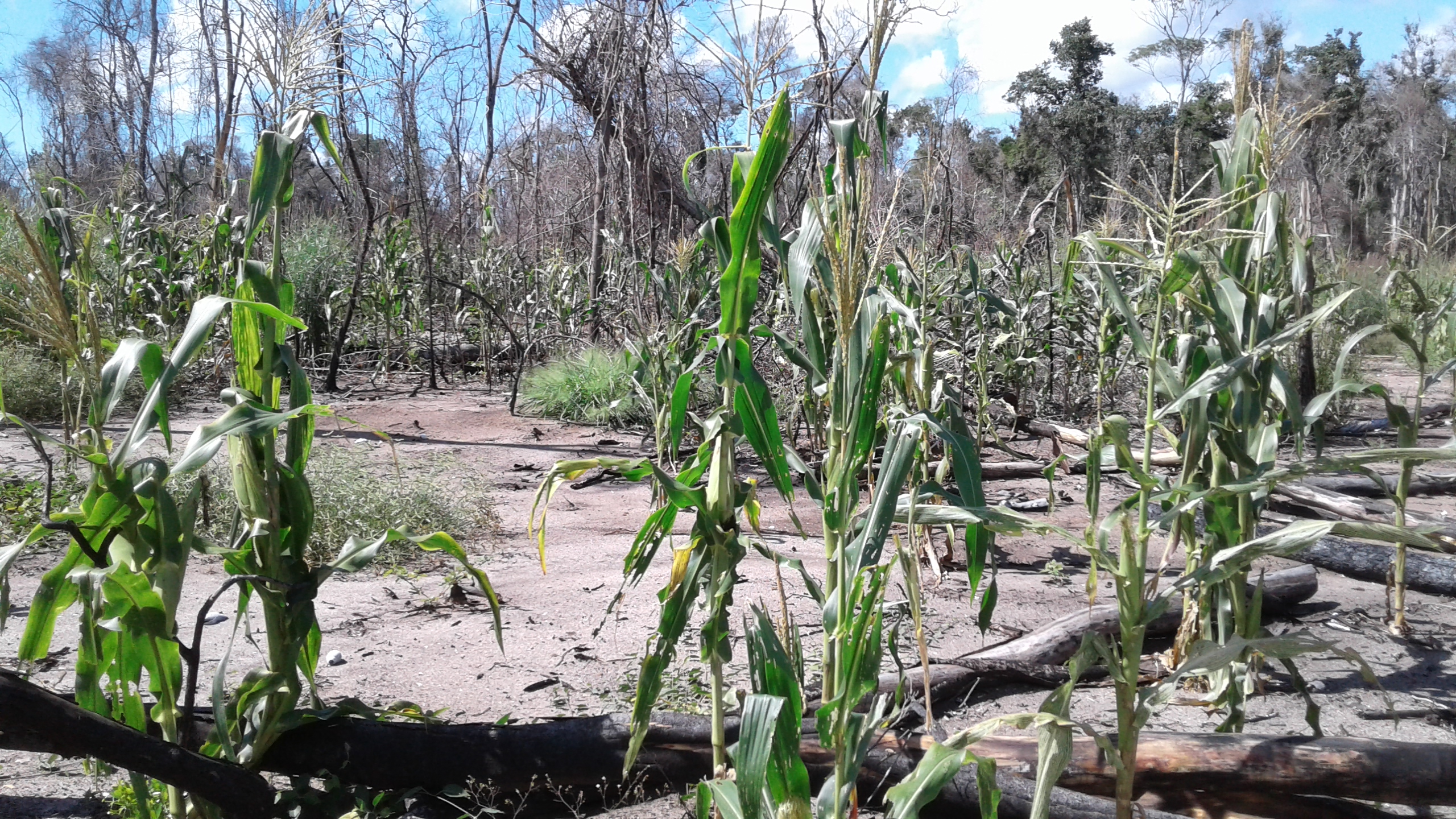
The direct cause, which can be observed immediately, is slash-and-burn agriculture, called hatsaky in Menabe. People cut down a piece of forest, let the vegetation dry, then burn it. This fertilizes the land and prepares the plots for cultivation.
But hatsaky is just the direct cause. We must ask: what motivates people to practice hatsaky? And what makes this practice so widespread in Menabe? Those are precisely the questions I focused on during my doctoral work.
According to your research, what are the underlying causes of deforestation in Menabe?
The original inhabitants of Menabe have always cleared the forest for cultivation, but they practiced a certain form of community-based forest management, and impacts remained limited.
It is with the arrival of waves of migrants from Androy that the retreat of the forest accelerated considerably.
What motivates these populations to migrate to Menabe?
Several factors converge: notably the drought in Androy, which worsens every year, and the importance of zebus in Antandroy culture, which pushes people to seek income elsewhere to acquire them.
On the other side, in Menabe, there are economic value chains around peanut and corn cultivation, which sell at high prices. All this encourages these populations to migrate to Menabe, and to illegally clear the forest to grow these products.
Some of the migrants used to work as seasonal workers on a sisal plantation or at the Sucoma sugar factory, but these activities have closed, leading new people to turn to the illegal cultivation of peanuts and corn.
What are the difficulties specific to this region that make the situation so complicated to solve?
As I mentioned, the factors at the origin of migrations are numerous and depend on different fields: economic, industrial, agricultural, social… Curbing the migrations behind deforestation therefore requires coordinated action across all these fields.
We can see that despite the efforts of the Ministry of the Environment and the organizations present on the ground, the forest continues to retreat. These actors need support from other sectors to succeed! Resources are particularly needed to enforce forest protection rules, and to combat a major corruption problem in the region that further worsens the situation.
Despite this difficult situation, are there any positive points that give hope for the future?
Yes! There are already many dynamic actors involved in Menabe, who have acquired very valuable experience over the years. All these organizations are already united within a task force to coordinate their actions. Even though the functioning of this task force has been more difficult during the health crisis, this platform is already an interesting basis on which to build collective solutions.
On the positive side, I have also seen a real willingness on the part of the Minister of the Environment and Sustainable Development to make the protection of Menabe a priority.
However, the MEDD cannot resolve this situation alone. The scale and complexity of the problem require greater means and the mobilization of other sectors, notably trade, industry, population, agriculture, interior, justice and security.
Can we therefore imagine a positive future for this region of Madagascar?
Of course. The Menabe-Antimena protected area has great potential in terms of ecotourism. The region is also favorable for certain agricultural productions, such as honey, mango, or cashew nuts. Menabe could become a region where viable agriculture coexists with a well-managed and even restored protected area. Many actors share this vision. The challenge is to build a more concrete strategy and, above all, one shared between the government, civil society, communities, the private sector, NGOs and donors.
What role can INDRI play?
For three months, the Alamino initiative launched by INDRI has engaged in a major multi-stakeholder consultation process to develop a set of measures to combat fires. Given the situation, the participating actors have decided to pay particular attention to Menabe. We will propose making it a pilot zone to prioritize testing certain measures that Alamino is working on.
The commitment of the Ministry of the Environment, the mobilization of civil society, the accelerating coordination of actors, the growing awareness of many stakeholders — these are all steps in the right direction. The situation remains extremely worrying, but I believe we have a useful role to play and I am proud to be part of this collective effort. The more complex a problem is, the more important it is to mobilize the collective intelligence of stakeholders to find solutions and build a new vision for the future. We try to help with that.
If we continue in this momentum of solidarity and collaborative spirit, I am confident that we will manage to save the Menabe-Antimena protected area.